
Lone Worker Devices UK
Lone Worker Safety Devices
Peoplesafe provides discreet, reliable and BS 8484:2022 certified lone worker devices giving your people a simple way to access help when working alone backed by 24/7 monitoring and real-time GPS tracking.
Why Choose Peoplesafe Lone Worker Devices?
Peoplesafe is one of the leading providers of lone worker devices UK organisations can rely on, combining high safety standards with the reliability workers need in critical situations. Each device combines multiple safety features into one robust, easy-to-use solution that delivers comprehensive lone worker protection. Our lone worker devices offer:
- Instant SOS Alerts: One-touch SOS button emergency activation sends immediate alerts to our 24/7 monitoring centre
- Real-Time Location Tracking: Precise GPS monitoring ensures rapid emergency response
- Fall Detection Technology: Automatic ‘man-down’ alarm when workers experience unexpected falls or impacts
- Two-Way Communication: Direct voice contact with monitoring teams during emergencies

Simple Access to Help in an Emergency
When someone works without colleagues nearby, getting support quickly can be critical.
Peoplesafe lone worker devices give employees a dedicated SOS button they can use if they feel unsafe, threatened, unwell or need urgent assistance.
When an alarm is raised, trained Controllers assess the situation and follow the documented escalation plan. Depending on the circumstances, this may involve contacting a manager or nominated escalation contact, or requesting emergency assistance.
All our lone worker devices comply with HSE safety regulations and industry standards, giving you confidence that your safety measures meet legal safety requirements.
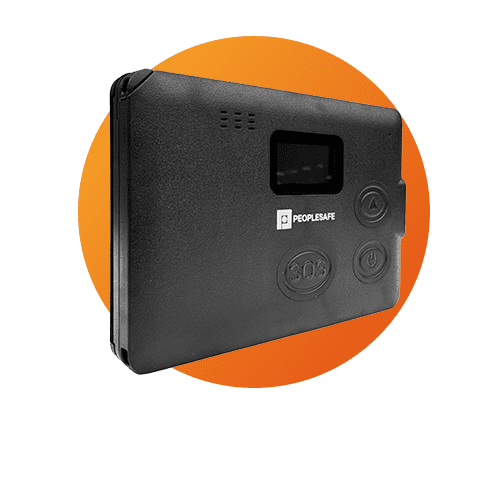
Specialist Lone Worker Devices
Some working environments require more than standard mobile connectivity or everyday safety technology. Peoplesafe provides specialist lone worker devices for employees working in hazardous environments and remote locations.
Intrinsically Safe Lone Worker Devices
Employees working in hazardous areas need technology designed for the conditions around them.
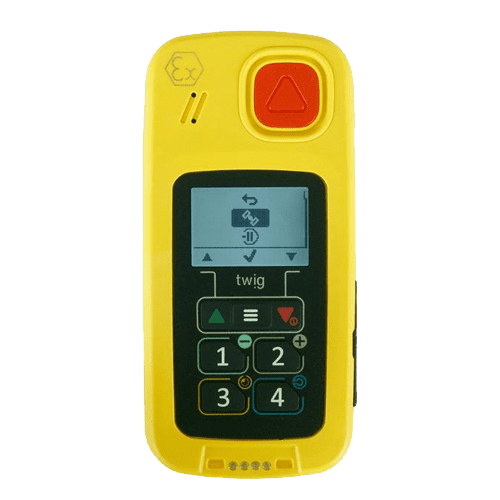
Twig Ex is an intrinsically safe lone worker device approved for use in ATEX and IECEx environments. It is designed for employees working around potentially explosive atmospheres and other demanding industrial conditions.
Twig Ex also provides two-way audio, GPS location and fall detection.
Its robust design makes it suitable for sectors including utilities, manufacturing, petrochemicals, engineering, maintenance and construction.
Explore Twig Ex
Satellite Communication Devices
Lone workers operating in rural and remote locations cannot always rely on mobile coverage.
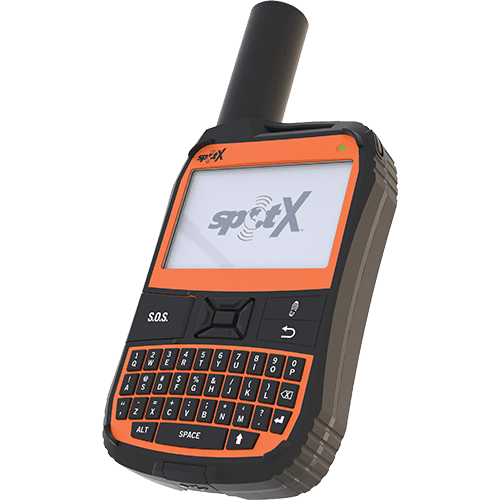
Satellite-enabled devices such as SPOT Gen4 and SPOT X provide an alternative for employees working beyond reliable cellular networks, helping them stay connected in locations where a standard mobile signal may be limited or unavailable.
They are suitable for environmental officers, field engineers, forestry workers, park rangers and other employees working in isolated areas.
SPOT Gen4 enables employees to raise an SOS, request assistance and log their activity using satellite connectivity.
SPOT X also provides two-way satellite messaging, helping employees maintain communication while working remotely.
SPOT Gen4
Lone Worker Device FAQs
What is a lone worker safety device?
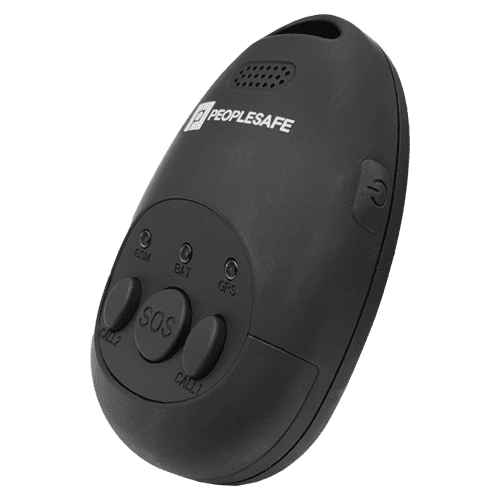
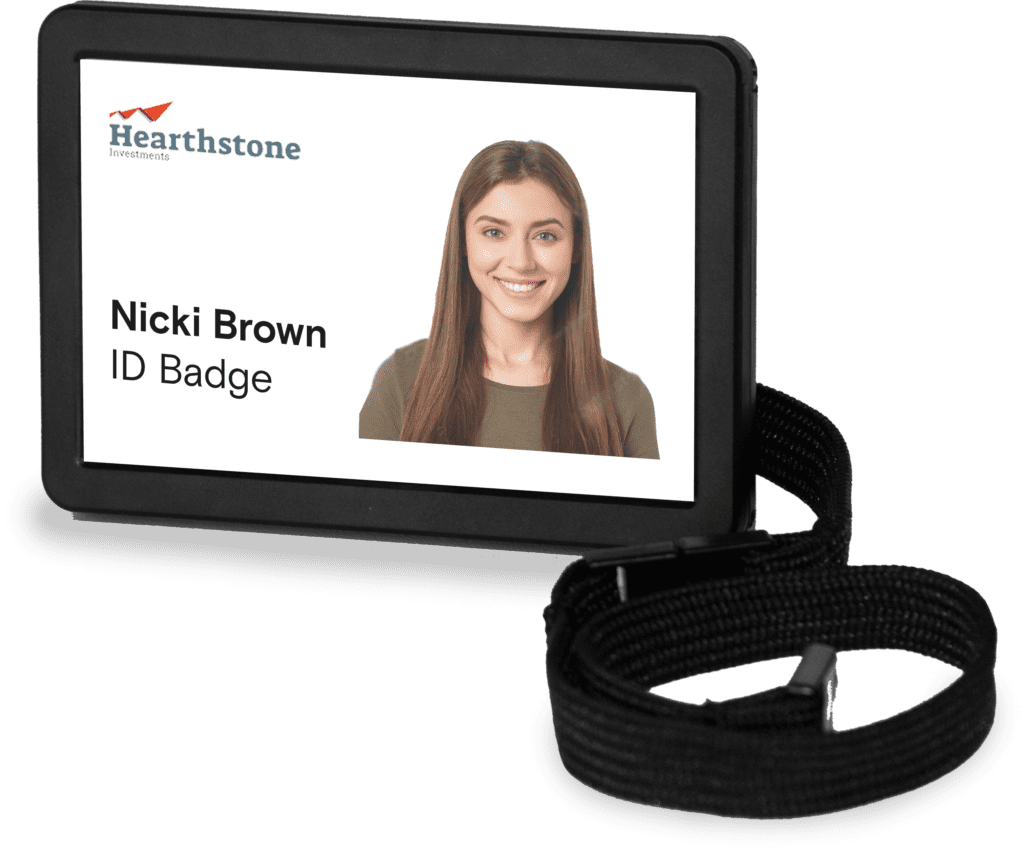
A lone worker safety device is a piece of technology that is designed to protect employees working alone. Often, they are small and shaped like a fob or an ID badge so that they don’t attract attention.
What does a lone worker device do?
The most basic function of a lone worker device is to raise an SOS alarm when the user needs help, for example if they’re in danger, suffer an injury or feel threatened.
How do I choose the right lone worker device for my team?
The best lone worker device for your team will depend on their job role, risk profile, working environment and technology preference. Typically, high-risk field workers benefit from a robust fob device, whereas staff completing home visits or in clinical settings find ID badge devices more convenient. There are cases where a dedicate lone worker device isn’t the best option and a lone worker app is best. Read our guide on how to choose the right protection
How does a Peoplesafe lone worker device work?
Our lone worker devices are linked to a 24/7 Alarm Receiving Centre (ARC) based in our Epsom headquarters. When the SOS alarm button is pressed, a lone worker alarm is raised in the ARC and a two-way audio channel is opened on the device between the device user and the ARC Controller who provides monitoring services.
What happens when you press the SOS button on a lone worker device?
Pressing the SOS button on a lone working device raises an alarm to an Alarm Receiving Centre. ARC Controllers will receive the alarm and start monitoring the situation. If safe to do so, they will utilise the device’s two-way audio capabilities to speak to the user and determine a course of action which may include calling an escalation contact or initiating a blue light response.
Can lone worker devices be used across different industries?
Yes. Peoplesafe provides lone worker devices UK organisations use across healthcare, retail, utilities, local government, housing, logistics and more. Visit our Sectors Page for the full list.
Why use a lone worker device and not call 999?
When a lone worker alarm is raised using a lone worker device the ARC Controller will know who the user is, where the user is and any important information (e.g. medical conditions, date of birth). These are all things the 999 operator will ask before dispatching any services. Having this information saves valuable time. In addition, the ARC Controller is trained to handle emergency situations and stay calm allowing them to relay information that someone experiencing the situation may not be able to do effectively. Our lone worker devices provide this critical advantage.
Do lone worker devices need a mobile signal to work?
Most lone worker devices work using a mobile SIM card and will need a mobile phone signal to raise an alarm. To improve connectivity Peoplesafe offer a roaming SIM which is able to use the strongest connection of any of the three major network providers in the UK. This increases the chance of securing a mobile phone signal.
Are Peoplesafe lone worker devices BS 8484 accredited?
Yes, all Peoplesafe lone worker devices (and our lone worker app) are accredited to the latest version of BS 8484. This accreditation enables us to bypass 999 in an emergency and contact police through a priority escalation path delivering faster, more effective response support.
Do Peoplesafe lone worker devices track the user?
No, the purpose of the GPS in Peoplesafe lone worker devices is to ensure that the emergency services can be sent straight to the user’s exact location, should they need assistance. Knowing where the user is saves precious time which could mean the difference between a serious and manageable incident. All lone worker devices have location tracking capabilities that will monitor the user’s location; however, the Alarm Receiving Centre will only receive this information when a lone worker alarm is raised.
What features should a lone worker device have?
As default, all lone worker devices should come with an SOS alarm, GPS tracking, mobile connectivity, two-way audio and a 24/7 response service. Additional features that can be added include activity timers, voice memos, automated tracking, test line, roaming SIM and fall detection.
Which alerts are monitored by lone worker devices?
Aside from SOS alarms, lone worker devices will raise an alert to the ARC when an activity timer expires or when it detects a fall using fall detection technology.
Can a lone worker device detect a fall?
Yes, compatible lone worker devices can include a fall detection or ‘man down’ feature. If the device detects a fall that meets the configured criteria, an alarm can be raised automatically. This means an alarm can still be raised if the employee is injured or unable to press the SOS button.
Which Peoplesafe lone worker device is best for high-risk lone workers?
We recommend either our MySOS or MySOS ID Badge depending on the specific job roles and device suitability. Both options offer discreet SOS alarms, GPS location monitoring and fall detection – all supported by our 24/7 Alarm Receiving Centre.
Find the Right Lone Worker Device for Your Team
Get in touch today for a consultation.